If you’ve already read my previous articles about Seville, you already know my answer: YES! If you landed on my blog through this article, you deserve an explanation. Seville, the capital of Andalusia, sells a dream, and in my opinion, it’s fully justified. In this article, I’ll give you my opinion on whether Seville is really worth it.
Note that this article is partly inspired by what I’ve read myself on English-language blogs. Many bloggers take the time to write an “is it worth it?” article for every destination. I find the idea interesting, especially for travelers still looking for inspiration for their next trip. So I’m giving it a try myself!
The quick answer: is Seville worth it?
As you’ve gathered, it’s a big yes! Whether it’s your first trip to Spain or you already know the destination, Seville is a city break you won’t regret. It’s a big city, but it can easily be visited in 3 or 4 days, while still offering a wide variety of activities.
What could make you not like Seville? Too hot if you travel in the middle of summer, or maybe a slight overdose of croquetas and jamón 😂.

What makes Seville a must-visit
- An INCREDIBLE historical heritage
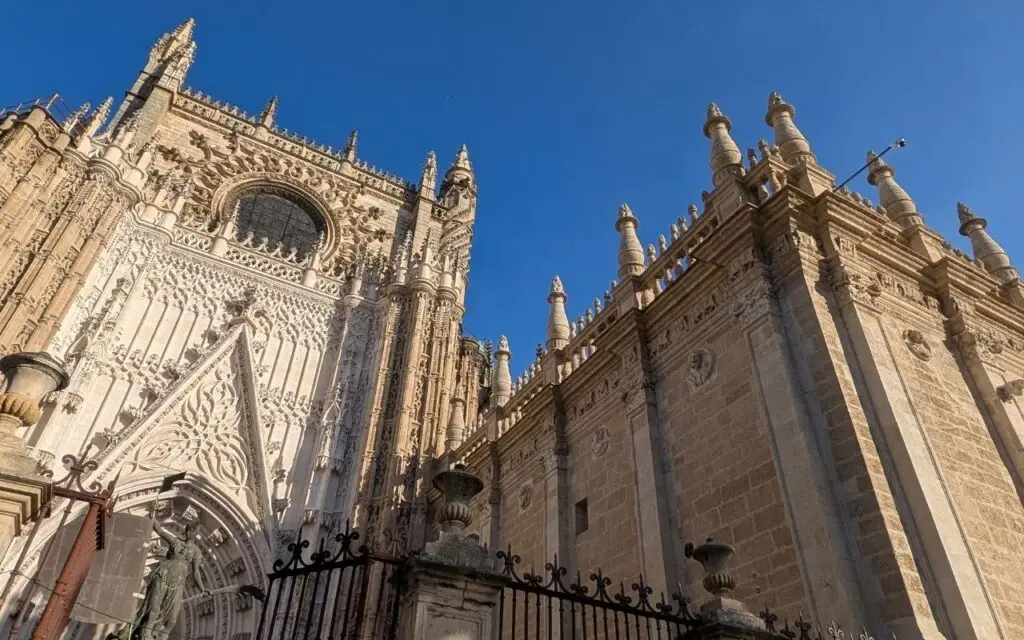
Yes, I’m writing INCREDIBLE twice and in caps, because Seville truly is unique in this regard: every building, every street, everything is beautiful! It’s a masterful blend of Mediterranean, Catholic, Mudejar, and modern architecture. There are also some truly unmissable historical monuments, like the Alcázar, a former fortified palace, and the Cathedral with its Giralda tower. Two beautiful examples of the blend of Christian and Muslim cultures in Andalusia.
- A sun-soaked culture: tapas and flamenco
I don’t know about you, but just picturing myself on a terrace, in the sun, with a glass of wine and some croquetas in front of me makes me happy. Well, in Seville, that’s practically an everyday thing. I love it. Plus, it’s one of the birthplaces of flamenco. Even without going to a tablao (a flamenco bar), you can feel this culture in several spots around the city, as if there’s always music playing in the background.
- The historic center is compact
And that’s what makes it a city that’s so easy to explore on foot! Wandering around is truly part of the travel experience here.

- The city is crossed by one of Spain’s largest rivers
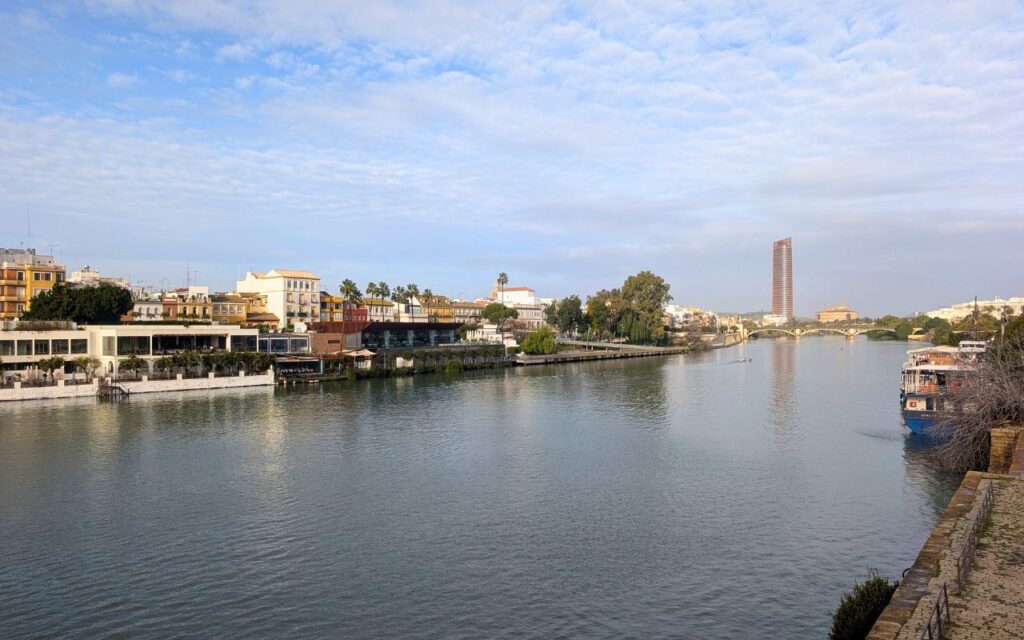
The Guadalquivir separates the city center from the Triana neighborhood. For me, that’s one of the city’s strengths: I love the feeling of strolling through the middle of the city while still getting a sense of nature. If you walk along the river in the morning, you’ll see rowing teams training, people out with their dogs, and runners. The vibe is really lovely. And on the other side of the river, the famous Triana neighborhood, with its ceramics shops, is well worth a visit on its own.
- A touch of modernity
Seville is a city where culture and tradition remain very much at the forefront, but having traveled there again recently, I find it’s also become more modern, especially in terms of restaurants and cafés. Alongside traditional bars, there’s a really nice scene of trendy cafés and brunch spots! I actually have an anecdote that still makes me smile.
I was having brunch one morning, at a stylish little café (salmon toast, freshly squeezed juice, café latte, you know the type). An older gentleman walks in and asks, just like he would in any neighborhood bar, for a café con leche from the waitress. She tells him she only has a caffè latte, which is basically the same thing, just in a trendier version.
He doesn’t quite get it but takes it anyway and sits at one of the few tables. He laughs about the situation and comments on the decor, saying it’s a shame you can’t sit at the bar. He drinks his coffee and leaves, but then, ten minutes later, he comes back with a colleague, because he liked the coffee so much he wanted him to try it too. I watched the whole scene and thought it was really beautiful — that blend of cultures and generations.
- There are lots of free activities
For those on a smaller budget, you can absolutely make it work! There are plenty of free places and activities (even the Alcázar and the Cathedral offer free visiting hours). I go into detail in a dedicated article: What to do for free in Seville?
My favorite activities
If I had to give my top 3 activities to do in Seville, it would be:
- Visit the Alcázar
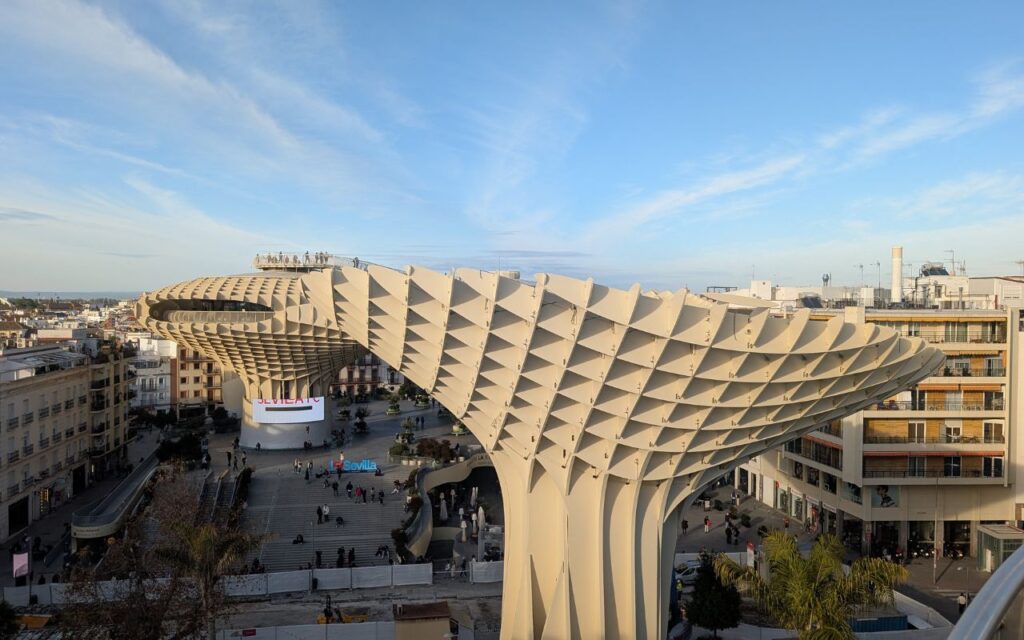
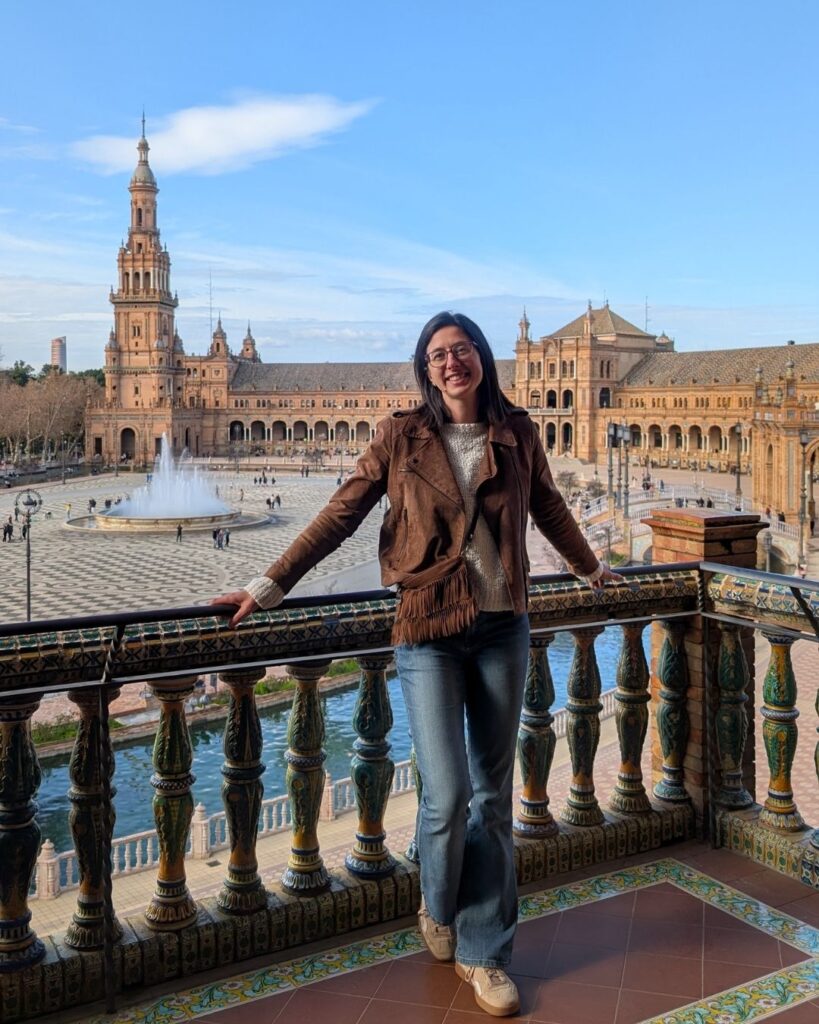
- Stroll around Plaza de España
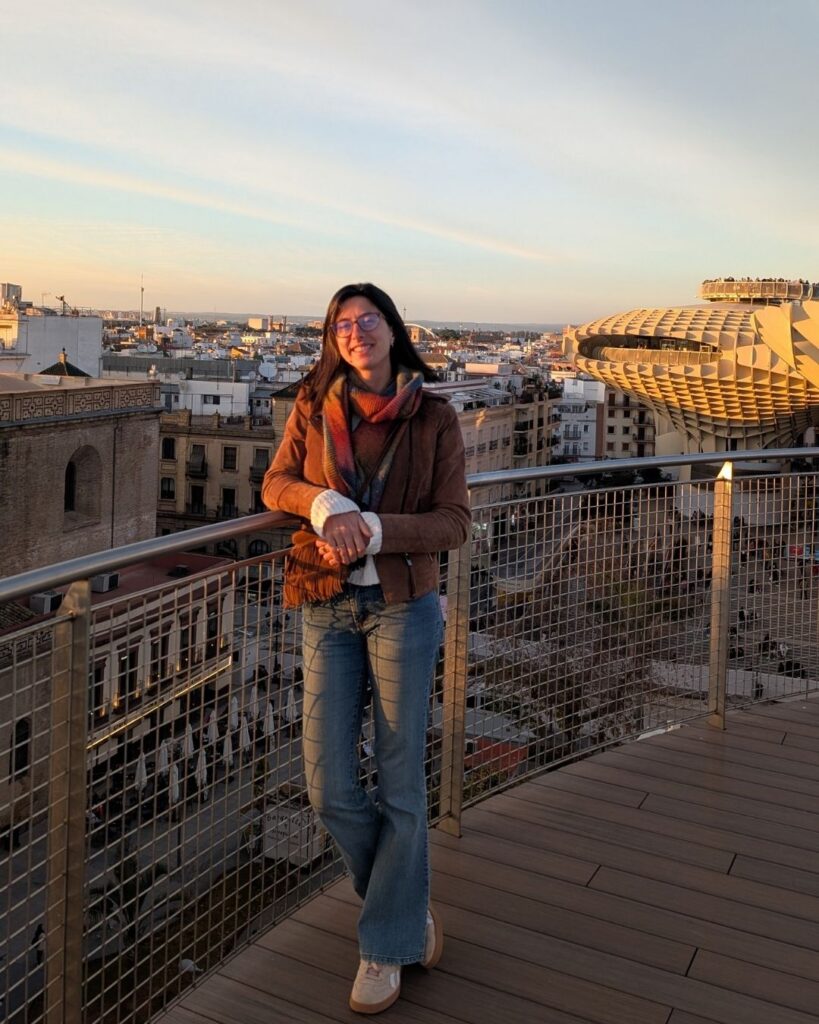
- Watch the sunset from a rooftop
See available tours in Seville 🤗
Seville’s downsides
Even though I love the city, it does have a few downsides.
- The scorching summer heat
In July and August, temperatures regularly go above 40°C. It’s definitely not the best time for back-to-back walking tours under the blazing sun, and you’ll need to adjust your pace (mandatory siestas, sightseeing early in the morning or late in the day).
- The many celebrations that turn the city upside down
Semana Santa (Holy Week) and the Feria de Abril are amazing to experience, but they completely transform the city: sky-high hotel prices, crowded streets, complicated traffic. If you happen to be there during these periods without planning for it, you need to be prepared.
- Mass tourism at certain iconic sites
The Alcázar and the Cathedral, in particular, can get overwhelmed with crowds during the day, especially in high season. I really recommend booking your tickets in advance and aiming for the first time slots in the morning to avoid the crowds. viser les premiers créneaux du matin pour éviter la foule.
Seville by season: what I prefer
As with many destinations, the time of year you visit Seville completely changes the experience. Personally, I’ve been in spring, winter, and summer, and summer was my least favorite because of the heat.
Spring (March to May) is undoubtedly the most popular season, with mild weather and orange trees in bloom. It’s magical, though it remains a busy period — but if you can go, say, in early May, it’s fantastic.
Summer (June to August) is best reserved for fans of intense heat: the days are long, the terrace atmosphere is festive in the evening, but the midday heat can quickly become an obstacle to sightseeing.
Autumn (September to November) — I haven’t experienced this season myself, but temperatures become pleasant again, there are far fewer crowds, and prices drop. So overall, very positive!
Winter (December to February) stays mild compared to the rest of Europe, which is really nice, with occasional rainy spells. It’s a good option for visiting without the crowds and without the heat.
FAQ: Is Seville worth the trip?
3 to 4 days are enough to see the essentials and take time to wander around, without rushing between each monument.
Not at all. The historic center is very walkable, and the city is well served by public transport if you’re staying a bit further out.
No, it’s actually quite an affordable destination compared to other major European cities, both for accommodation and food, except during the Feria or Semana Santa, when prices rise significantly.
Yes, overall it’s a safe city for tourists, with the usual precautions to take in very busy areas.
If you’ve made it to the end of this article, you now have my answer loud and clear: yes, Seville is worth the trip! I hope I’ve even made you want to go see it for yourself!
My other articles to help you plan your trip to Seville: